Table of Contents
- Why Sustainable Tourism Matters in Costa Rica
- Eco-Friendly Luxury Villas Costa Rica: Choosing Your Accommodation
- How to Travel Sustainably in Guanacaste: Transportation and Activities
- Supporting Local Businesses in Tamarindo and Beyond
- Practical Habits for Responsible Tourism in Costa Rica
- Planning Off-Season Sustainable Travel
- Your Sustainable Costa Rica Trip Starts Here
- Frequently Asked Questions
Last Updated: September 2, 2026
Why Sustainable Tourism Matters in Costa Rica
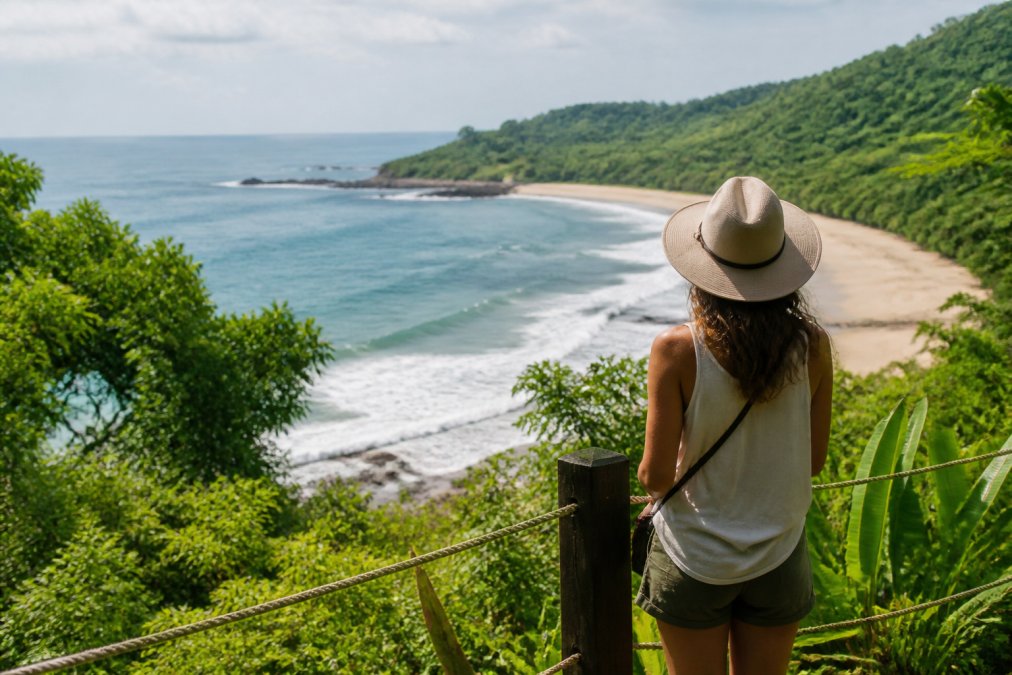
Costa Rica's commitment to environmental protection has made it a global leader in ecotourism, with nearly 25% of its territory protected as national parks and wildlife refuges. When you travel sustainably, you're directly supporting conservation efforts that preserve the ecosystems millions depend on.
Tourism drives economic growth for local communities, but unchecked visitor volume damages the landscapes that attract people in the first place. Costa Rica has chosen a different path: prioritizing sustainable development through responsible tourism rather than maximizing visitor numbers. This approach ensures tourism revenue flows into conservation.
At Marquis Stays Property Management, we work with luxury property owners throughout Guanacaste who understand that sustainable tourism isn't a marketing angle, it's the foundation of long-term property value. Guests increasingly seek accommodations aligned with their values, and properties managed with environmental consciousness consistently outperform those that don't.
Sustainable tourism in Costa Rica works because it's embedded in policy, not just good intentions. The government incentivizes eco-friendly practices through certification programs and tax benefits. Local communities benefit directly through employment and business opportunities. Visitors experience authentic Costa Rica without contributing to its degradation.
Eco-Friendly Luxury Villas Costa Rica: Choosing Your Accommodation
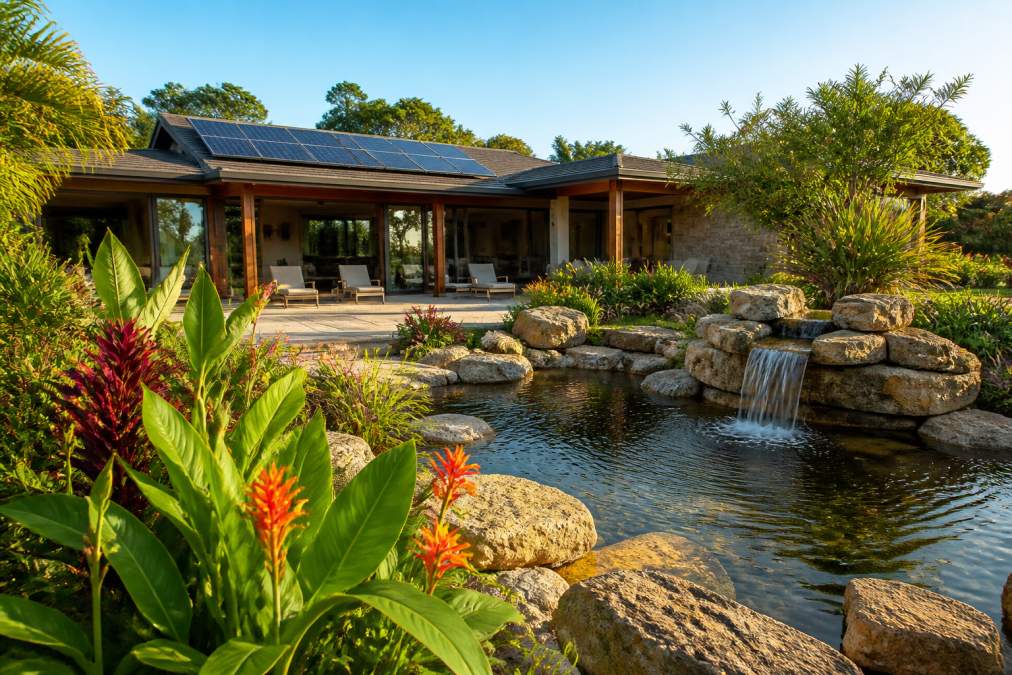
Selecting sustainable accommodation is your first and most impactful decision. Eco-friendly luxury villas in Costa Rica range from beachfront properties with renewable energy systems to mountain retreats designed to blend seamlessly with surrounding forest.
What Makes a Luxury Rental Sustainable
A truly sustainable villa demonstrates measurable environmental commitment: renewable energy systems (solar panels are standard in responsible coastal properties), water conservation infrastructure, waste management systems, and native landscaping that supports local biodiversity. Many properties also source materials locally and employ staff from nearby communities.
The difference between a property claiming sustainability and one actually practicing it shows in the details. Does the villa use rainwater harvesting? Are there composting systems? Is the property designed to minimize air conditioning needs through natural ventilation and strategic shading? Properties managed through data-driven systems can reveal where improvements matter most.
Verifying Sustainability Certifications
Costa Rica's certification landscape includes several reputable programs. The Certification for Sustainable Tourism (CST) is the most rigorous, evaluating properties across environmental, social, and economic criteria. The Blue Flag program focuses on beach properties and water quality. The Rainforest Alliance certification indicates broader environmental management practices.
Before booking, verify certifications directly on the issuing organization's website. Many properties display logos without current certification. Legitimate certifications require annual audits and transparent reporting. Ask property managers for their certification documents and the year they were awarded.
How to Travel Sustainably in Guanacaste: Transportation and Activities
Transportation choices define your carbon footprint in Costa Rica. A single round-trip flight generates roughly 2-4 tons of emissions per passenger (peer-reviewed research). Once on the ground, every journey compounds that impact. Sustainable travelers minimize additional flights, choose ground transport that serves multiple destinations, and stay longer in fewer locations rather than island-hopping.
Low-Impact Transportation Methods
The most sustainable approach is staying within one region. Guanacaste, with its concentration of beaches, national parks, and small towns, allows meaningful exploration without constant travel. Renting a fuel-efficient vehicle and sharing rides with other guests reduces per-person emissions significantly compared to individual car rentals.
Public buses move far more people per unit of fuel than private vehicles. Costa Rican buses are reliable, affordable, and used by locals and visitors alike. For shorter distances, bicycles and e-bikes work well in coastal towns. Many properties now provide bikes for guest use. Walking connects you directly to local neighborhoods and small businesses you'd miss otherwise.
Choosing Responsible Wildlife and Nature Tours
Wildlife tours represent both opportunity and risk. Poorly managed tours stress animals and disrupt breeding patterns. Responsible operators follow strict guidelines: maintaining distance from animals, limiting group sizes, avoiding feeding or touching wildlife, and timing tours to avoid breeding seasons.
Look for guides certified through Costa Rica's official guide system. These professionals understand wildlife behavior, ecology, and conservation needs. Tours that promise "guaranteed wildlife sightings" or "animal interactions" are red flags, they typically employ practices that stress animals.
Community-based wildlife tours often outperform commercial operators. Local guides have deep knowledge of specific animals and ecosystems, and tour revenue directly supports their families and local conservation initiatives. slow travel packages.
Supporting Local Businesses in Tamarindo and Beyond
Tourism money flowing to international chains creates dependency without building local prosperity. When you prioritize locally-owned businesses, your spending circulates within communities multiple times.
Where to Eat and Shop Locally
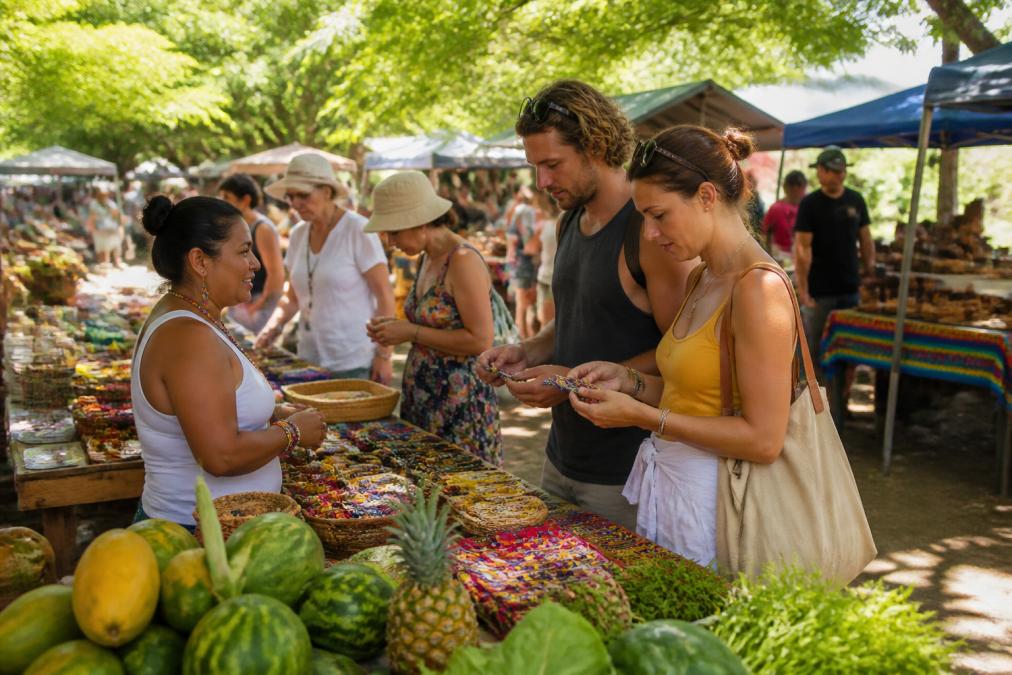
Tamarindo has become increasingly touristy, but local restaurants still thrive in side streets and residential areas. Ask your property manager or local staff for recommendations, they know where residents actually eat. Farmers markets operate in most towns early mornings, supporting agricultural families and reducing transportation emissions compared to supermarket produce.
Artisan markets and craft shops showcase local talent. Handmade goods represent hours of skilled work. Buying directly from makers ensures fair compensation. Avoid mass-produced "local crafts" sold in tourist shops; they're typically manufactured elsewhere.
Community-Based Tourism Opportunities
Many communities offer homestays, cooking classes, coffee farm tours, and cultural experiences led by locals. These activities keep tourism revenue within families and provide authentic cultural exchange. Community tourism addresses the equity problem in conventional tourism: when communities run their own enterprises, they control the experience, set prices, and determine visitor volume.
Practical Habits for Responsible Tourism in Costa Rica
Daily choices compound into meaningful impact. A single traveler's decisions about packing, waste, water use, and activity choices can reduce their trip's environmental footprint by 30-50%.
Sustainable Packing: What to Bring Before You Arrive
What you pack determines what you'll consume and discard in Costa Rica. Many travelers arrive unprepared and purchase single-use items locally, multiplying waste.
Essential Sustainable Packing Items:
- Reef-safe sunscreen (SPF 30+): Oxybenzone and octinoxate damage coral reefs and marine ecosystems (noaa.gov). Pack reef-safe alternatives (zinc oxide or titanium dioxide-based).
- Reusable water bottle (insulated, 24+ oz): Tap water is safe throughout most of Costa Rica. This eliminates 10-15 plastic bottles per week per person.
- Reusable shopping bags and produce bags: Bring cloth alternatives for farmers market trips and souvenir shopping.
- Biodegradable toiletries: Pack solid shampoo bars, biodegradable soap, and natural toothpaste. Solids last longer and break down safely if accidentally released into waterways.
- Microfiber quick-dry towel: Reduces laundry frequency at your property, cutting water and energy use significantly.
- Lightweight, long-sleeved clothing: Protects skin from sun and insects without requiring heavy sunscreen application.
- Reusable utensils and food container: For picnics, beach days, or takeout meals.
- Medications and first-aid supplies: Reduces trips to pharmacies and minimizes packaging waste.
What NOT to Pack: Single-use plastics, conventional sunscreen with oxybenzone or octinoxate, heavy toiletries in plastic bottles, and excessive clothing (pack 5-7 days of clothes for a week-long trip).
Understanding Your Trip's Carbon Footprint
A typical 7-day Costa Rica trip generates roughly 2-4 tons of CO₂ per person, dominated by flights. Ground-based choices matter less in absolute terms but are within your control.
Carbon Footprint Breakdown for a Standard 7-Day Guanacaste Trip:
- Round-trip flight (US to San José): 1.8-2.2 tons CO₂ per person
- Ground transportation (rental car, 400 miles): 0.15-0.25 tons CO₂ (shared rides or public buses reduce this by 60-80%)
- Accommodation (7 nights): 0.1-0.3 tons CO₂ (solar-powered properties reduce this significantly)
- Activities and meals: 0.05-0.15 tons CO₂ (local restaurants have lower footprints than resort-based activities)
Total typical footprint: 2.2-2.9 tons CO₂
To reduce ground-based emissions: stay in one region rather than traveling between multiple regions, use public buses for at least 50% of intercity travel, choose properties with renewable energy, and eat locally sourced meals.
Waste Reduction and Conservation On-Site
Luxury properties generate significant waste. Establish a routine: separate recyclables from organic waste and trash, refuse single-use items, compost food scraps if available, and avoid purchasing items with excessive packaging.
Water Conservation:
Costa Rica experiences distinct dry seasons when water becomes scarce for local communities and ecosystems. Limit showers to 5 minutes (saving 12.5 gallons per shower), avoid baths, turn off taps while brushing teeth or soaping hands, and report leaks immediately. A slow drip wastes 20 gallons per day; a running toilet wastes 200+ gallons per day.
Energy Use:
Coastal properties often rely heavily on air conditioning, which consumes 40-60% of a property's energy (energy.gov). Use fans instead of air conditioning when temperatures are below 80°F, close windows and doors to maintain cooling efficiency, turn off lights and electronics when leaving, and hang-dry clothes instead of using the dryer.
Protecting Biodiversity and Wildlife
Wildlife Interaction Ethics:
Never touch, feed, or attempt to hand-feed wildlife. Feeding disrupts natural diet and creates dangerous dependency on humans. Maintain at least 10 meters distance for most wildlife; use binoculars or telephoto lenses for photography. Avoid flash photography, stay on marked trails, and never collect plants, insects, or shells.
Report Important Sightings:
Endangered species like jaguars, sloths, scarlet macaws, and sea turtles are monitored by conservation programs. Report sightings to park rangers, your property manager, or SINAC (Costa Rica's National System of Conservation Areas).
Respect Protected Areas:
Some beaches and forests are closed seasonally to protect nesting sea turtles or breeding birds. Respect these closures, a single disturbance during nesting season can cause mothers to abandon eggs.
Planning Off-Season Sustainable Travel
Peak season (December-April) concentrates visitor impact during dry months when ecosystems are most stressed. Off-season travel (May-November) reduces crowding, lowers prices, and allows nature recovery time. Afternoon rains are common but typically brief. Off-season sustainable tourism benefits everyone: communities welcome visitors without overcrowding, guides have smaller groups, and wildlife is more active as food becomes abundant.
Your Sustainable Costa Rica Trip Starts Here
Planning a sustainable Costa Rica trip requires intentional choices before you arrive. The decisions you make about accommodation, transportation, activities, and daily habits determine whether your visit strengthens or strains the destination you came to experience.
Marquis Stays Property Management helps luxury property owners create guest experiences that align with Costa Rica's conservation values. Our properties are managed with sustainability standards that attract conscious travelers, improve operational efficiency, and protect your investment in this remarkable country.
Your sustainable Costa Rica journey begins with choosing the right property and committing to practices that respect what makes this destination extraordinary.
Frequently Asked Questions
Q: What makes a luxury vacation rental truly sustainable in Costa Rica?
A: A genuinely sustainable luxury villa combines environmental stewardship with guest comfort. Look for properties using renewable energy, implementing waste reduction systems, and sourcing from local suppliers. Certified eco-lodges follow third-party standards for water conservation, biodiversity protection, and carbon footprint reduction. Many high-end properties in Tamarindo and Guanacaste now feature solar power, rainwater harvesting, and native landscaping that supports local wildlife corridors while maintaining luxury amenities.
Q: How can travelers support local communities in Guanacaste while staying sustainably?
A: Direct your spending toward locally-owned businesses, guides, and artisans rather than international chains. Hire local naturalists for tours, eat at family-run restaurants, and purchase handicrafts from community cooperatives. In Tamarindo and surrounding areas, community-based tourism initiatives let you participate in conservation work or learn traditional practices. Choosing accommodations that employ local staff and source food locally multiplies your positive economic impact on the region.
Q: What low-impact transportation options exist in Costa Rica's coastal regions?
A: Within towns like Tamarindo and Potrero, walking and cycling are practical for short distances. Electric vehicle rentals are increasingly available in major tourist areas. For longer journeys, public buses generate lower emissions per passenger than rental cars. Many eco-conscious travelers use shared shuttle services or arrange group transportation with their accommodation. Minimizing vehicle use and avoiding peak-season travel reduces your carbon footprint significantly.
Q: How do I verify that a Costa Rican property actually holds sustainability certifications?
A: Request specific certification names and verification numbers from property owners. Legitimate certifications include the Certification for Sustainable Tourism (CST), Blue Flag status for beaches, and international eco-labels. Cross-check claims on official certification websites rather than relying on marketing materials. Ask owners for proof of renewable energy systems, waste management practices, and conservation partnerships. Reputable property managers like Marquis Stays can provide documentation of sustainability measures and third-party verification.
This article was written using GrandRanker