
Table of Contents
- 1. Maritime Zone and Concession Land Risks
- 2. Legal Ownership and Title Security Issues
- 3. Costa Rica Real Estate Legal Due Diligence Gaps
- 4. Environmental Vulnerabilities and Coastal Risks
- 5. Costa Rica Luxury Property Tax Implications
- 6. Liquidity Constraints and Exit Strategy Challenges
- 7. Managing Luxury Vacation Rentals in Guanacaste
- 8. Infrastructure and Utility Reliability Problems
- Frequently Asked Questions
Last Updated: September 24, 2026
Investing in Costa Rica luxury property sounds appealing. The beaches are stunning, the climate is warm year-round, and property values have climbed steadily. But before you commit six figures to a coastal home in Potrero, Tamarindo, or La Fortuna, you need to understand the Costa Rica luxury property risks. According to The Latin Vestor's 2026 market analysis, foreign investors in Costa Rica face distinct challenges around title security, environmental exposure, and exit liquidity that don't apply to domestic real estate purchases. At Marquis Stays Property Management, we've helped international owners navigate these complexities after purchase.
This guide covers the ten most significant Costa Rica luxury property risks, from maritime zone restrictions to infrastructure failures. Understanding these issues before you buy can save you hundreds of thousands in losses, legal fees, and regret.
1. Maritime Zone and Concession Land Risks
The biggest legal trap in Costa Rican real estate is the maritime zone. Properties within 200 meters of the ocean cannot be owned outright, they can only be held under a 20-year concession that must be renewed. If renewal is denied, you lose the property entirely.
Concession land carries inherent instability. The government can decline renewal without compensation. Political shifts, environmental policy changes, or simply bureaucratic delays can leave you without a property you thought you owned. Unlike fee-simple ownership, concessions expire and require active management to maintain.
The confusion runs deeper. Many sellers misrepresent concession properties as "clean title" during transactions. Foreign buyers often don't discover the concession status until after closing. By then, your exit options have narrowed dramatically. Title insurance doesn't cover concession expiration, it only covers fraud and liens.
What to do: Hire a Costa Rican attorney to verify property status before making an offer. Request the concession renewal history and confirmation of remaining term. If the property sits within 200 meters of the ocean, budget for concession renewal costs and assume a 20-year holding period minimum.
2. Legal Ownership and Title Security Issues
Costa Rica's property registry system is notoriously slow and prone to errors. Titles can be registered with preventive annotations, legal flags that indicate disputes, liens, or unresolved claims. These annotations don't always show up in a standard title search.
Fraudulent documentation is common. Forged power of attorney documents, fake notarizations, and false ownership claims have derailed deals after closing. The notary public system in Costa Rica is less regulated than in North America or Europe, making document verification critical.
Foreign ownership adds complexity. Non-residents face additional scrutiny during title transfer, and some properties carry restrictions on foreign ownership embedded in the deed itself. These restrictions may not surface until you attempt to sell.
What to do: Engage a specialized attorney who focuses on title verification and due diligence. Request a full title report that includes preventive annotations. Verify notarizations directly with the notary's office. Have your attorney confirm that no foreign ownership restrictions apply to your specific property.
3. Costa Rica Real Estate Legal Due Diligence Gaps
Due diligence in Costa Rica is not standardized. There's no mandatory inspection period, no standardized disclosure requirements, and no escrow protection equivalent to US title companies. Sellers have minimal legal obligation to disclose defects or encroachments.
Environmental assessments are rarely conducted before purchase. Soil contamination, water table issues, and coastal erosion aren't evaluated as part of standard transactions. You may discover environmental liabilities years after closing that trigger cleanup costs or restrict future use.
Easements and rights-of-way are often undocumented. A neighbor may have legal access across your property, or utilities may run through your land without clear recorded rights. These can surface when you attempt to develop, divide, or sell the property.
What to do: Commission an environmental assessment before purchase, even if the seller claims the property is clean. Conduct a boundary survey to verify property lines. Have your attorney search for all easements, rights-of-way, and encumbrances. Budget for a full due diligence process that takes 4-8 weeks.
4. Environmental Vulnerabilities and Coastal Risks
Costa Rica's Pacific coast is beautiful and volatile. Properties in Guanacaste and other coastal regions face hurricane exposure, flooding, and erosion. Climate change is accelerating these risks, storm surge is increasing, and some beaches are receding by several meters per year.
Coastal properties also face saltwater intrusion, which corrodes infrastructure and contaminates freshwater aquifers. Building materials degrade faster in the salt-laden air.
Insurance is expensive and often excludes climate-related damage. Standard homeowner policies don't cover flooding or hurricane damage in high-risk zones. Specialized coastal insurance carries steep premiums and high deductibles.
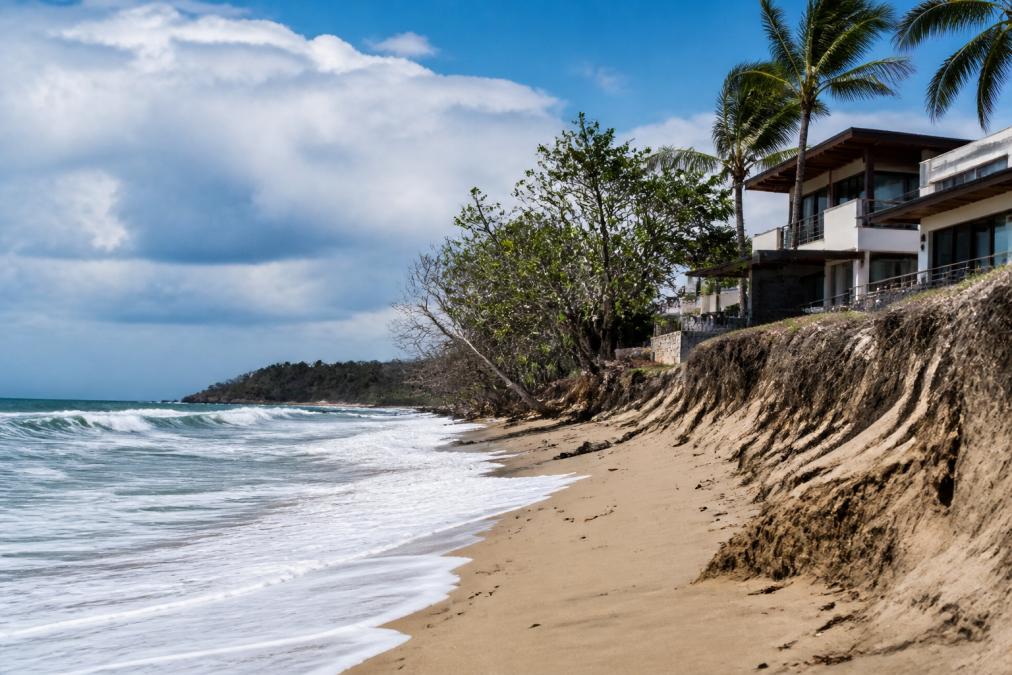
What to do: Request a coastal risk assessment from a local environmental consultant. Review flood maps and hurricane history for your specific location. Obtain a flood insurance quote before purchase. Factor environmental maintenance into your long-term ownership costs.
5. Costa Rica Luxury Property Tax Implications
Foreign investors often underestimate tax liability. Costa Rica taxes capital gains on real estate sales. Tax rates vary by canton.
Property taxes are based on assessed value, not market value. The government's assessment often lags market reality, but when properties are reassessed, taxes can spike dramatically. A property worth $800,000 on the market might be assessed at $400,000, until a reassessment doubles your tax bill overnight.
Foreign owners must file annual tax returns in Costa Rica and report worldwide income. Failure to file triggers penalties and potential legal action. The tax system is complex, and many foreign investors inadvertently violate filing requirements.
What to do: Consult a Costa Rican tax accountant before purchase. Understand the capital gains tax rate for your specific canton. Budget for annual tax compliance and potential reassessment increases. Consider the tax implications of your exit strategy before you buy.
6. Liquidity Constraints and Exit Strategy Challenges
Costa Rican real estate is illiquid. Selling a luxury property takes 6-12 months on average, longer if you're pricing above market or if the property has issues. The buyer pool for high-end coastal homes is smaller than for residential properties, and many buyers are cash-constrained or seeking significant discounts.
Market volatility is real. Tourism demand, which drives rental income, fluctuates with global travel patterns and currency exchange rates.
Financing is difficult for foreign buyers attempting to purchase with a mortgage. Local banks rarely lend to non-residents, and cross-border lending is expensive and restrictive. This limits your buyer pool to all-cash purchasers, which reduces your negotiating position and extends time-to-sale.
What to do: Before purchase, develop a realistic exit strategy. Understand the current market absorption rate for properties in your price range and location. Factor in 9-12 months of carrying costs if you need to sell. Consider fractional ownership or rental income as an exit hedge, properties generating consistent revenue are easier to sell or refinance.
7. Managing Luxury Vacation Rentals in Guanacaste
If you're counting on rental income to offset carrying costs, understand the operational reality. Vacation rental management in Guanacaste is competitive and labor-intensive. Guest communication, cleaning, maintenance, and platform management require constant attention or professional oversight.
Seasonal demand is uneven. High season (December-April) delivers strong bookings; low season (May-November) can leave properties vacant for weeks. Currency fluctuations affect foreign guest demand and your effective rental income.
Platform dependency is a major risk. Airbnb, VRBO, and Booking.com take 15-25% commissions and can change terms, algorithms, or policies overnight. Properties relying on a single platform face sudden visibility drops or revenue loss if the platform changes its algorithm.
What to do: If rental income is part of your strategy, hire a professional property management company with proven track records in your region. Verify their financial reporting and guest satisfaction ratings. Build direct-booking channels to reduce platform dependency. Budget for seasonal vacancy and operational costs.
8. Infrastructure and Utility Reliability Problems
Costa Rican infrastructure outside major urban centers is inconsistent. Electricity outages are common, water supply can be unreliable, and internet speeds are often slower than advertised. Coastal areas in Guanacaste face particular challenges during rainy season when flooding and mudslides disrupt service.
Septic systems are standard in many coastal properties, and they require regular maintenance.
Frequently Asked Questions
What are the downsides of buying property in Costa Rica?
Key downsides include maritime zone restrictions that limit your ownership rights, title fraud risks from incomplete due diligence, environmental exposure to hurricanes and coastal erosion, and complex foreign ownership tax implications. Additionally, liquidity constraints mean selling your Costa Rica luxury property can take months longer than in developed markets, and infrastructure reliability varies significantly by region. Remote management becomes costly if you don't have professional operational support.
How does Costa Rica real estate legal due diligence protect your investment?
Proper legal due diligence verifies your clean title, confirms the property isn't on concession land with expiration dates, checks for preventive annotations that could cloud ownership, and ensures all permits are valid. It identifies whether the property falls within the maritime zone (restricted to 200 metres from the high-tide line) and confirms no environmental liens exist. Without thorough due diligence, you risk purchasing a property with hidden legal claims or facing forced sale when a concession expires.
What is the luxury home tax rate in Costa Rica and how does it affect ROI?
Costa Rica taxes luxury properties through multiple mechanisms: property transfer taxes, annual property taxes based on declared value, and capital gains tax on appreciation. Additionally, rental income from vacation properties is taxed as ordinary income. Tax planning with a local accountant before purchase is essential to understand your true after-tax returns.
How do maintenance costs affect luxury vacation home profitability in Guanacaste?
Guanacaste's tropical climate, salt air, and high humidity accelerate wear on luxury finishes, HVAC systems, and plumbing. Without professional management handling preventive maintenance, unexpected repairs can wipe out 2-3 months of rental income. Data-driven property managers in Guanacaste reduce maintenance surprises through scheduled upkeep and vendor relationships.
What legal pitfalls should foreign investors watch out for in Guanacaste?
Guanacaste-specific risks include concession land confusion (many properties sit on 25-year renewable concessions that expire), maritime zone encroachment near coastal areas, and local government enforcement of building codes that may differ from original permits. Title fraud is common in the region due to rapid development and foreign buyer demand. Foreign ownership requires a notary public and public registry registration, but incomplete documentation can surface years later. Working with a specialized legal advisor familiar with Guanacaste regulations before purchase prevents costly disputes.