Table of Contents
- Why Authentic Cultural Experiences in Costa Rica Matter
- Traditional Costa Rican Food Experiences: From Gallo Pinto to Cacao
- Best Cultural Tours in Guanacaste: Markets, Music, and More
- How to Experience Local Life in La Fortuna: Beyond the Volcano
- Indigenous Heritage and Community-Based Tourism
- Off-the-Beaten-Path Cultural Festivals and Regional Nuances
- Sustainable and Ethical Tourism Guidelines for Cultural Respect
- Frequently Asked Questions
Last Updated: September 12, 2026
Why Authentic Cultural Experiences in Costa Rica Matter
Costa Rica welcomes millions of visitors each year, yet many leave without ever meeting a Costa Rican family, learning to press sugar cane, or understanding why "Pura Vida" shapes the national character. This guide from Marquis Stays Property Management exists to close that gap. Authentic cultural experiences in Costa Rica are not add-ons to a beach holiday; they are the reason repeat visitors return.
The distinction matters commercially, too. Travelers who connect with local gastronomy, folk dance, and community-based tourism tend to book longer stays and return more often. For property owners in Potrero, Tamarindo, or La Fortuna, that loyalty translates directly into occupancy.
Below, we break down the food, tours, festivals, and etiquette that separate a genuine cultural exchange from a staged performance. But first, here's the framework most guides skip: match the experience to the region, not the brochure.
Traditional Costa Rican Food Experiences: From Gallo Pinto to Cacao
Traditional Costa Rican food experiences begin with gallo pinto at breakfast and end, for many travelers, with a cacao ceremony in the afternoon. The national dish of rice and beans is a daily ritual, not a tourist dish, and learning to cook it properly is one of the most accessible cultural experiences available.
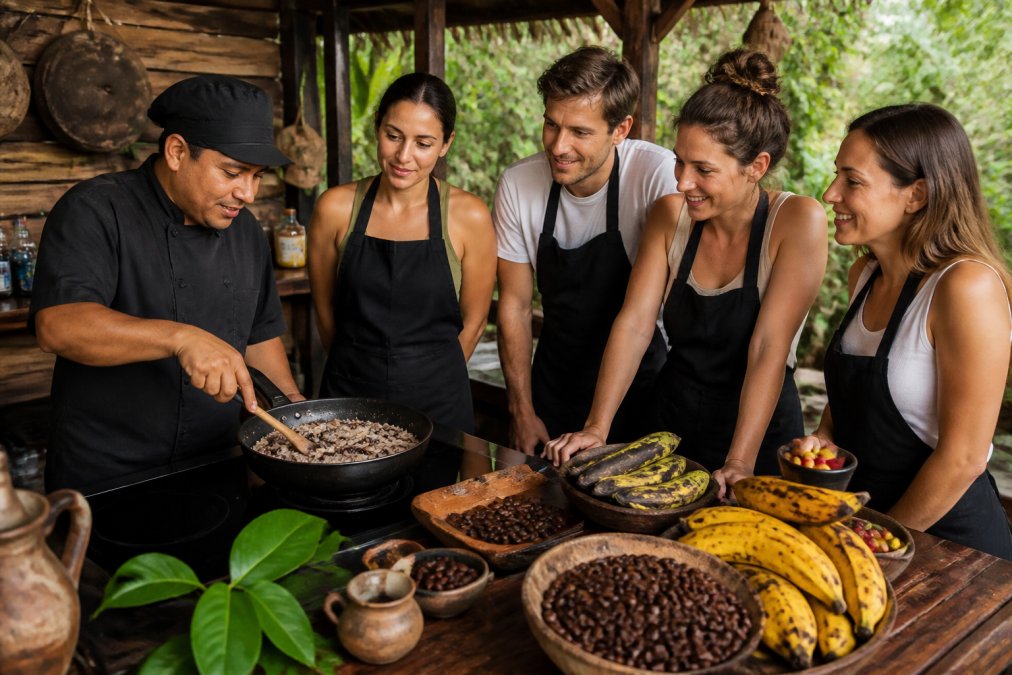
Hands-on cooking classes across the country teach plantains, corn, and coffee preparation, often guided by local chefs who explain the culinary heritage behind each ingredient. [Anywhere Costa Rica(/blog/hire-professional-property-manager-costa-rica) cultural tours | anywhere.com] lists several workshops where travelers prepare a full meal and eat it together.
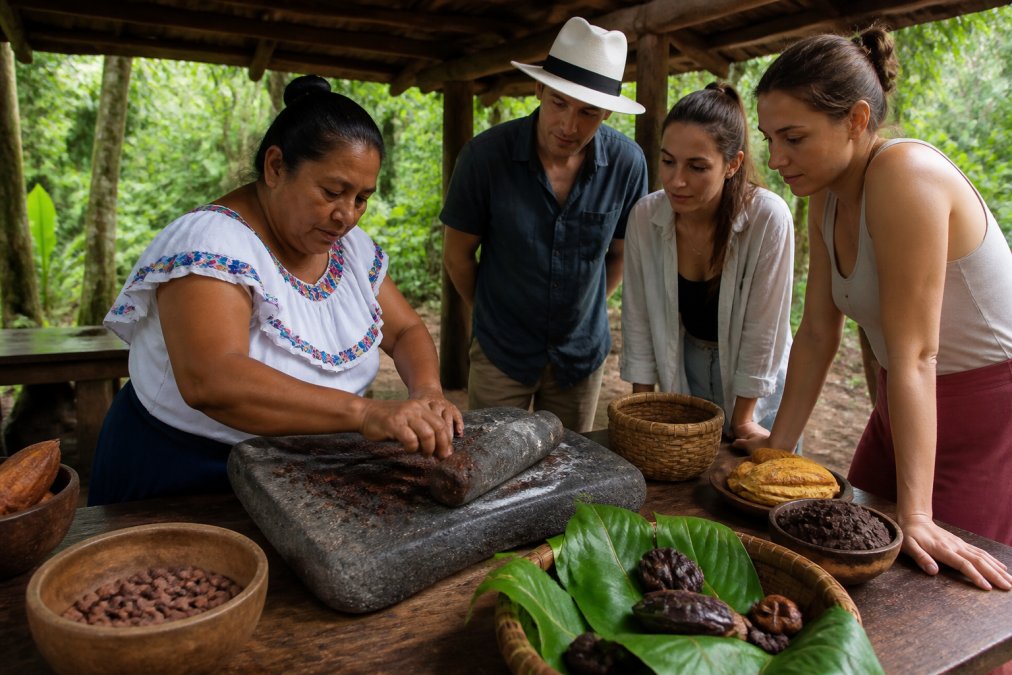
Coffee and chocolate tell the other half of the story. The Monteverde Coffee, Chocolate & Sugar Cane Tour walks visitors through all three pillars of Costa Rican agriculture, including a sugar cane pressing demonstration. In the Arenal region, the Arenal Chocolate Tour covers cacao cultivation and the indigenous uses of chocolate, priced around $88 per person. North Fields Cafe offers a similar bean-to-bar education for those near the central highlands.
Best Cultural Tours in Guanacaste: Markets, Music, and More
Guanacaste is not just a beach province; it is the heartland of Costa Rican folklore, where ranch culture, Spanish colonial history, and indigenous Chorotega traditions blend into a distinct regional identity. The best cultural tours here go beyond a generic city walk and immerse you in the local calendar of patron saint festivals, known as turnos, and the daily rhythms of market towns like Nicoya, Santa Cruz, and Liberia.
Start in Nicoya, one of Costa Rica's oldest colonial cities and home to the iconic colonial church Iglesia de San Blas. The town's market, Mercado Municipal, is a labyrinth of stalls selling locally grown fruits, artisanal cheeses, and handmade crafts. Unlike the souvenir shops in Tamarindo, this is where locals shop for their daily staples. A guided walk with a local historian can unpack the layers of Chorotega heritage, from the ancient pottery techniques still practiced in nearby Guaitil to the cattle-ranching traditions that shaped the region's cuisine.
Anywhere Costa Rica city tours offers affordable guided walks in Liberia and Nicoya starting at roughly $43 per person, but for a deeper dive, seek out community-run tours that include a visit to a working ranch or a traditional sugar mill, known as a trapiche. These experiences often include a demonstration of how sugar cane is pressed and boiled into dulce, a staple of Costa Rican sweets.
The real cultural highlight, however, is the turno. Each town in Guanacaste celebrates its patron saint on a specific date with processions, folk dances like the punto guanacasteco, and food stalls offering rosquillas and tamales. The turno in Santa Cruz, held in mid-January, is one of the largest and most authentic, drawing families from across the province. These events are rarely advertised in English, so ask your host or property manager for the local calendar. Attending a turno is not just a photo opportunity; it is a living expression of Guanacaste's identity, and respecting local customs, such as dressing modestly and asking before photographing, will make you a welcome guest.
For a hands-on rural engagement, the Campesino Farm Experience at about $89 per person includes cow milking, traditional meal preparation, and direct conversation with farming families. It is one of the few activities that genuinely supports rural development rather than a staged performance. Pair this with a visit to a local artisan workshop in Guaitil, where Chorotega descendants still shape clay using pre-Columbian techniques. Buying directly from these artisans ensures your money stays in the community.
How to Experience Local Life in La Fortuna: Beyond the Volcano
Learning how to experience local life in La Fortuna means looking past the volcano. The Arenal area draws crowds for its hot springs and hikes, but the surrounding towns hold the cultural landscape that most itineraries ignore.
Cacao tours are the easiest entry point. The Arenal Chocolate Tour combines indigenous heritage with a sensory tasting session, and its short duration makes it simple to fit around a volcano hike. Beyond that, look for small family-run soda restaurants, the local lunch counters where workers eat, rather than hotel dining rooms.
Cooking classes in the region teach the same techniques you will find in Guanacaste, adapted to the produce available on the Arenal slopes. If you own a rental property here, Marquis Stays Property Management helps remote owners in La Fortuna keep guests informed about these local options.
| Experience | Typical Duration | Approx. Price | Best For |
|---|---|---|---|
| Arenal Chocolate Tour | 2 hours | $88/person | Short, sensory immersion |
| Cooking class | 3-4 hours | $173/person | Food-focused travelers |
| Campesino farm visit | Half day | $89/person | Rural cultural exchange |
| Guided city tour | 2-3 hours | $43/person | History and architecture |
Indigenous Heritage and Community-Based Tourism
Costa Rica's indigenous heritage is not a footnote; it is the foundation of the country's identity, from the Chorotega of Guanacaste to the Bribri and Cabécar of the Talamanca mountains. Yet most travelers never set foot in an indigenous territory, and those who do often do so through intermediaries that extract more than they give. Community-based tourism (CBT) offers a corrective: visitors learn directly from the communities whose ancestors cultivated cacao, processed sugar cane, and shaped the country's folklore.
One of the most accessible and ethical examples is the Bribri community of Yorkín, near the Panamanian border. Accessible only by a dugout canoe ride down the Yorkín River, this village runs its own tourism cooperative, offering homestays, traditional cooking classes, and guided walks through cacao groves. The experience is raw and genuine, no staged performances, just daily life. Another is the Boruca community in the southern Pacific, renowned for its intricate mask carving and annual Danza de los Diablitos (Little Devils Dance) festival, held from December 31 to January 2. Visitors can stay in family-run cabins and learn the craft directly from artisans.
UN Tourism guidance on community-based development outlines how this model strengthens local economies over the long term. The practical difference is who benefits. A tour bus that stops for fifteen minutes at a craft stall leaves little behind. A community-run experience pays local guides, funds village projects, and gives travelers a genuine cultural exchange. For example, the Impactful Travel "Discover Authentic Costa Rica" package begins in San José with a cultural orientation, then blends nature exploration with community visits designed to keep spending within local economies. Packages like this cost more than a single day tour, but the structure supports responsible travel rather than extracting from it.
However, visiting indigenous communities requires more than good intentions. Here are essential guidelines for respectful engagement:
- Ask before you go: Not all communities are open to tourism. Always book through official community tourism associations or trusted local operators who have permission from the community.
- Learn the protocol: Each community has its own customs. For example, in Bribri culture, it is customary to ask permission before entering a sacred site or taking photos of ceremonies.
- Support local businesses: Buy crafts directly from artisans, hire local guides, and eat at community-run sodas. Avoid intermediaries who take a large cut.
- Dress modestly: Cover shoulders and knees, especially when visiting churches or during traditional ceremonies.
- Learn a few phrases: A simple "Káwö" (hello in Bribri) or "Buenos días" goes a long way in showing respect.
- Avoid cultural appropriation: Do not wear indigenous ceremonial clothing as a costume or use sacred symbols for fashion. Appreciate, don't appropriate.
By choosing community-based tourism, you not only gain a deeper understanding of Costa Rica's indigenous cultures but also contribute to their preservation and economic empowerment. For property owners, recommending these ethical operators to guests is a value-add that positions your rental as a gateway to responsible travel.
Off-the-Beaten-Path Cultural Festivals and Regional Nuances
Costa Rica's regional traditions vary sharply, and treating the country as one cultural bloc is a common mistake. Guanacaste leans toward ranch culture and folk dance, the Caribbean coast carries Afro-Caribbean rhythms, and the central highlands preserve colonial religious customs.
Patron saint festivals, or turnos, are the clearest example. Each town celebrates its own saint on its own date, with processions, traditional music, and food stalls that few international visitors ever see. Ask your host or property manager for the local calendar; these events rarely appear on booking platforms.
Language and etiquette matter here. A few phrases of Spanish open doors that English cannot, and simple social customs, such as greeting shopkeepers before asking a question, are expected. Regional nuances also extend to food: the Caribbean side cooks with coconut and spice in ways the central valley does not.
Sustainable and Ethical Tourism Guidelines for Cultural Respect
Sustainable tourism in Costa Rica depends less on carbon offsets and more on where your money lands. The most effective guideline is simple: choose locally owned operators, buy from local markets, and treat cultural sites as living places rather than backdrops.
A short checklist for responsible travel:
- Book tours run by local guides or community cooperatives
- Learn basic Spanish greetings before you arrive
- Ask permission before photographing people or private property
- Buy handicrafts directly from makers, not hotel gift shops
- Dress modestly when visiting churches or attending festivals
- Avoid festivals and ceremonies staged purely for tour buses
These habits protect the cultural heritage that makes the country distinctive. They also improve the trip. Operators who answer to their own community give more honest, more detailed explanations than those reading from a script.
For property owners, encouraging guests toward ethical operators is good business. Guests who feel they traveled responsibly leave better reviews. Marquis Stays Property Management builds this kind of local guidance into the guest experience for remote owners who cannot be on site.
Costa Rica's culture is not a stop on the itinerary; it is the reason the country feels different from every other beach destination. The challenge for remote property owners is that genuine local knowledge takes time to build, and most management companies never bother. Marquis Stays Property Management handles guest communication, check-ins, housekeeping, and maintenance while improving your direct-booking demand and digital reach, so your property is positioned as a gateway to the real Costa Rica. Get started with Marquis Stays Property Management and turn one-time guests into loyal, direct-booking clients.
Frequently Asked Questions
What are some traditional cultural practices in Costa Rica?
Traditional practices include patron saint festivals, turnos (neighborhood celebrations), folk dance performances, and coffee and cacao harvesting rituals. Many communities still celebrate with music, dance, and food during religious holidays. Visiting local markets and participating in cooking classes also offers insight into daily customs. Respecting these traditions means asking before taking photos and supporting community-led events.
How can travelers support local communities in Costa Rica?
Choose community-based tourism initiatives, buy handicrafts directly from artisans, and eat at local sodas (small family restaurants). Booking tours that employ local guides ensures money stays in the region. Avoid activities that exploit wildlife or indigenous culture. Sustainable tourism guidelines encourage small group sizes and asking permission before visiting private land.
What are the best ways to experience local life in Guanacaste?
Visit weekly farmers markets in towns like Nicoya or Santa Cruz, join a traditional cooking class, or attend a local festival such as the Fiestas de Santa Cruz. Staying in a vacation rental managed by a local company can also connect you with neighborhood events. Learning a few Spanish phrases and respecting siesta hours helps build genuine connections.
Is it better to book cultural tours or explore independently?
Both have value. Guided tours offer context and access to remote communities, while independent exploration allows flexibility and spontaneous interactions. For first-time visitors, a mix works best: book a few key tours (e.g., coffee farm, indigenous reserve) and leave time for self-guided market visits. Always ensure tours are run by local operators to maximize community benefit.