Table of Contents
- Why Travelers Are Searching for Special Places of Costa Rica Alternatives
- Quick Comparison: Costa Rica Alternatives at a Glance
- Top 8 Special Places of Costa Rica Alternatives Ranked
- 1. Panama: Two Coastlines, Half the Crowds
- 2. Nicaragua: Volcanic Landscapes at a Lower Cost
- 3. Belize: Barrier Reef, Rainforests, and Mayan Ruins
- 4. Honduras: White-Sand Beaches and Affordable Diving
- 5. Ecuador and the Galapagos: Unmatched Biodiversity
- 6. Guatemala: Volcanoes, Lakes, and Indigenous Culture
- 7. Dominica: The Untouched Nature Isle of the Caribbean
- 8. Peru: Amazon Rainforest, Andes, and Pacific Coast
- Off the Beaten Path Costa Rica: Regions Worth Exploring Before You Leave
- Best Time to Visit: Seasonal Crowd-Avoidance Strategies
- Costa Rica Vacation Rental Alternatives: Accommodation Types Compared
- Multi-Modal Itinerary Planning: How to Build Your Trip Across Destinations
- Which Alternative Is Right for You?
Last Updated: August 3, 2026
Searching for a Special Places of Costa Rica alternative is one of the fastest-growing travel research queries in Central America. Costa Rica's most popular destinations have become crowded, with premium pricing now rivaling European resort towns. This guide from Marquis Stays Property Management breaks down the eight strongest alternatives, covering off-the-beaten-path biodiversity hotspots to budget-friendly beach towns, with real cost differences, seasonal patterns, and digital nomad infrastructure most travel guides skip.
According to UNESCO's World Heritage List for Central American biodiversity corridors, several neighboring countries hold comparable or superior biodiversity credentials yet attract a fraction of the visitor numbers. That gap is the opportunity.
Why Travelers Are Searching for Special Places of Costa Rica Alternatives
Peak-season crowd density is the most cited reason travelers seek alternatives. Destinations like Manuel Antonio and Tamarindo now see visitor volumes that strain infrastructure from December through April, pushing accommodation prices upward and reducing the remote national park immersion that made Costa Rica famous.
The second driver is cost. Travel expenses across Guanacaste's coastal resorts have increased steadily as the destination has matured. Budget-conscious travelers find comparable tropical experiences in neighboring countries at meaningfully lower price points.
A third factor is adventure travel fatigue with the same itinerary. Returning travelers actively seek regional diversity, volcanic regions they haven't seen, and marine life in less-charted waters.
Quick Comparison: Costa Rica Alternatives at a Glance
Use this table to orient your planning before reading the detailed breakdowns below.
| Destination | Best For | Relative Cost | Crowd Level | Standout Feature |
|---|---|---|---|---|
| Panama | Two-coastline diversity | Moderate | Low-medium | Coiba National Park diving |
| Nicaragua | Budget adventure | Low | Low | Volcano boarding, colonial cities |
| Belize | Reef and ruins | Moderate-high | Medium | World's second-largest barrier reef |
| Honduras | Affordable diving | Low-moderate | Low | Bay Islands dive sites |
| Ecuador / Galapagos | Unmatched wildlife | High (Galapagos) | Medium | Galapagos biodiversity |
| Guatemala | Culture and volcanoes | Low | Low-medium | Lake Atitlán, Tikal ruins |
| Dominica | Raw nature, Caribbean | Moderate | Very low | Boiling lake, emerald pools |
| Peru | Multi-region epic | Moderate | Medium-high | Amazon, Andes, Pacific coast |
Top 8 Special Places of Costa Rica Alternatives Ranked
The eight destinations below are ranked by overall appeal to travelers who value wildlife protection, sustainable tourism, and adventure travel that defines the Costa Rica experience.

1. Panama: Two Coastlines, Half the Crowds
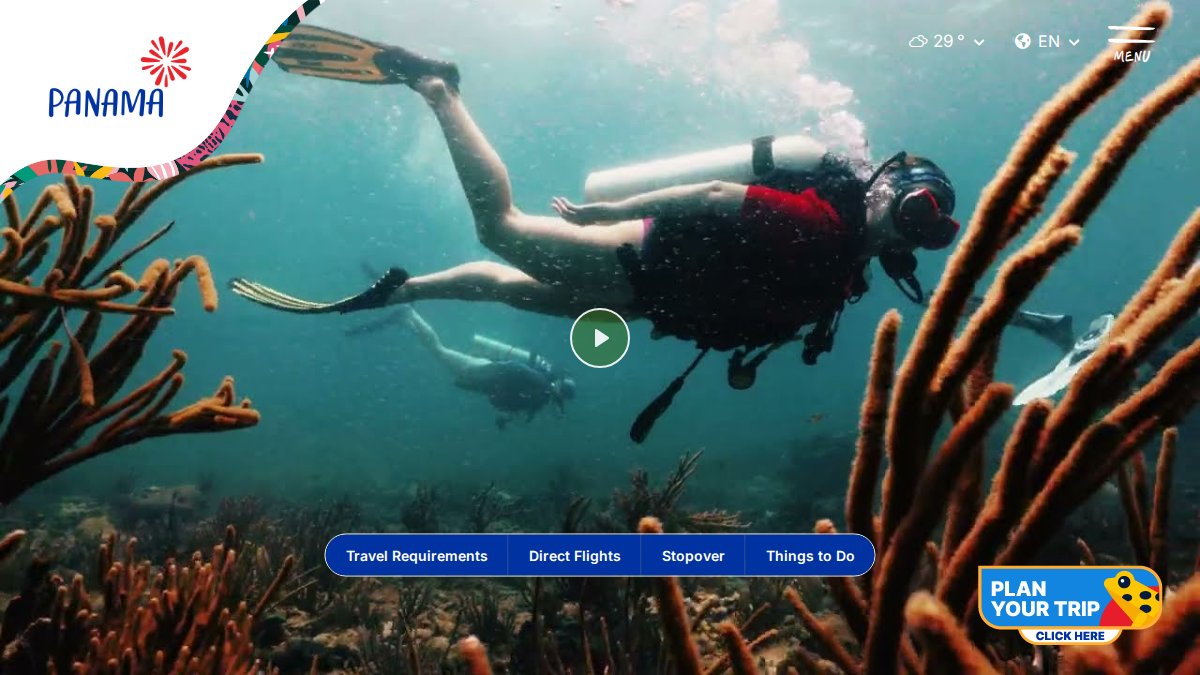
Panama offers Pacific and Caribbean coastlines within hours of each other, lush rainforests with sloths, toucans, and howler monkeys, and world-class diving at Coiba National Park, a UNESCO World Heritage site with some of the best-preserved marine life in the eastern Pacific. Bocas del Toro delivers the surf culture and seaside atmosphere of Costa Rica's Caribbean coast with far fewer tourists. The Darién National Park is one of the most significant wilderness areas in the Americas.
Where Panama falls short: Infrastructure in remote areas is less developed than in Costa Rica.
Best for: Nature-focused travelers, divers, and anyone who wants the Costa Rica experience without the price tag or crowds.
2. Nicaragua: Volcanic Landscapes at a Lower Cost
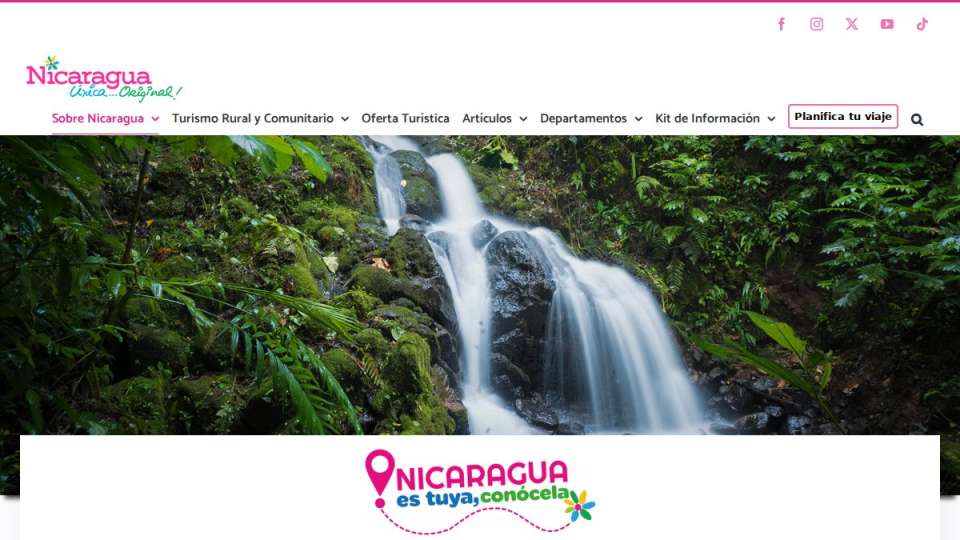
Nicaragua is often described as what Costa Rica looked like a generation ago: raw, less commercialized, and genuinely budget-friendly. Ometepe Island, rising from Lake Nicaragua with two towering volcanoes, is one of the most visually dramatic destinations in Central America. Volcano boarding on Cerro Negro near León is an adventure activity that defines the country's appeal. Colonial cities like Granada offer rich local culture and architecture that Costa Rica's coastal resorts lack.
The honest trade-off: Political stability requires monitoring, and infrastructure is less developed. Check your government's foreign affairs advice before booking.
Best for: Budget-conscious travelers, backpackers, and experienced adventure travelers comfortable with less-developed tourist infrastructure.
3. Belize: Barrier Reef, Rainforests, and Mayan Ruins
Belize packs remarkable regional diversity into a small country. The Belize Barrier Reef, the second-largest in the world according to IUCN's Belize Barrier Reef Reserve System listing, offers snorkeling and diving that rivals anything in Costa Rica. The Hol Chan Marine Reserve near San Pedro is a standout for marine life encounters, including nurse sharks, rays, and diverse reef fish. Inland rainforests and Mayan ruins at sites like Caracol add cultural and historical depth.
Where Belize diverges from Costa Rica: The Cayes can feel touristy during peak season, and Belize is not as budget-friendly as Nicaragua or Guatemala. Expect travel expenses closer to Costa Rica levels.
Best for: Travelers who want to combine marine life, rainforest, and ancient history in a single trip.
4. Honduras: White-Sand Beaches and Affordable Diving
Honduras is the most underrated destination on this list. The Bay Islands, specifically Utila and Roatán, offer some of the most affordable diving in the Caribbean with visibility and marine biodiversity that draw serious divers worldwide. White-sand beaches are genuinely exceptional and far less crowded than comparable Costa Rican beaches during peak season. The Copán Ruins in western Honduras are among the most significant Mayan archaeological sites in Central America.

The honest caveat: Safety concerns in certain mainland regions require careful planning. Stick to established tourist zones and the Bay Islands.
Best for: Divers, beach travelers, and history enthusiasts looking for high quality at lower travel expenses than Costa Rica.
5. Ecuador and the Galapagos: Unmatched Biodiversity
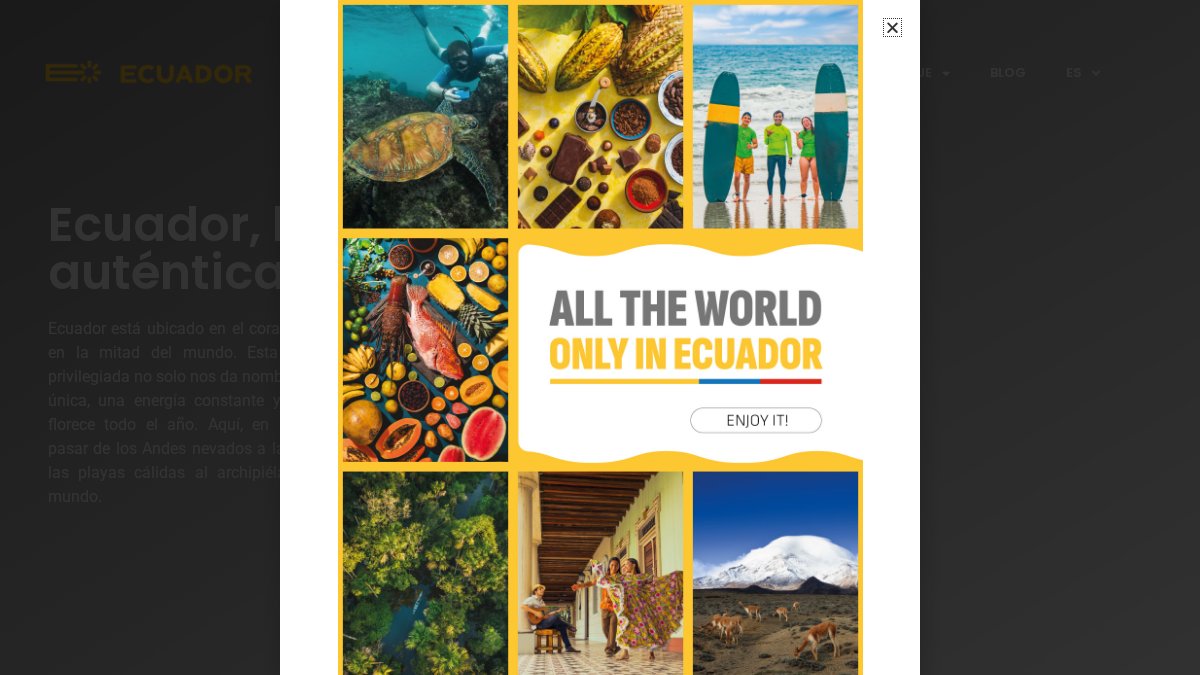
For travelers whose primary motivation is wildlife protection and biodiversity, Ecuador with the Galapagos Islands is the strongest alternative. The Galapagos deliver wildlife encounters categorically different from anything available in Central America: species found nowhere else on earth, in an environment where animals show no fear of humans. On the mainland, Ecuador's Amazon rainforest and Andean cloud forests offer additional eco-tourism layers.
The significant trade-off: The Galapagos is expensive. Permits, licensed guides, and limited accommodation make this one of the highest-cost destinations in the region.
Best for: Wildlife enthusiasts, nature photographers, and travelers for whom biodiversity is the primary goal and cost is secondary.
6. Guatemala: Volcanoes, Lakes, and Indigenous Culture
Guatemala delivers volcanic regions and dramatic landscapes alongside deep, living indigenous culture that Costa Rica largely lacks. Lake Atitlán, ringed by three volcanoes and dotted with Mayan villages, is one of the most visually striking destinations in the Americas. Tikal, rising from the jungle in the Petén lowlands, is among the most impressive Mayan ruins anywhere. Travel expenses in Guatemala are among the lowest in the region.

Where Guatemala requires caution: Road quality varies significantly, and certain areas carry elevated safety risks. Sticking to established tourist circuits is advisable for first-time visitors.
Best for: Culture seekers, budget travelers, and anyone who wants volcanic landscapes with strong historical context.
7. Dominica: The Untouched Nature Isle of the Caribbean
Dominica is the most genuinely off-the-beaten-path destination on this list. Known as the Nature Isle of the Caribbean, it has resisted mass-market coastal resort development. Morne Trois Pitons National Park, a UNESCO World Heritage site, contains the world's second-largest boiling lake, emerald pools, and hiking trails through primary rainforest that feel genuinely wild.
The honest limitation: Accessibility is more challenging than other destinations on this list. Flight connections are less frequent, and infrastructure reflects commitment to conservation over mass tourism.
Best for: Nature enthusiasts who want a truly uncrowded Caribbean experience and are willing to accept less convenience for genuine wilderness.
8. Peru: Amazon Rainforest, Andes, and Pacific Coast
Peru spans three entirely distinct ecosystems: the Pacific coast with its surf culture, the Andes with their cloud forests and Inca Trail, and the Amazon rainforest with unparalleled biodiversity. Few destinations anywhere offer that range within a single itinerary.

The practical challenge: Altitude sickness is a real concern in the Andes, requiring acclimatization time. Popular sites like Machu Picchu require advance booking, particularly during peak season.
Best for: Adventure travelers who want maximum regional diversity and are prepared to invest time in a multi-week trip.
Off the Beaten Path Costa Rica: Regions Worth Exploring Before You Leave
Before committing to an alternative destination, off-the-beaten-path Costa Rica options remain genuinely compelling. The country's most-visited areas receive the bulk of tourist traffic, leaving significant wilderness areas largely uncrowded even during peak season.
Southern Pacific vs. Northern Guanacaste: Which Suits You?
The Southern Pacific zone, anchored by the Osa Peninsula and Corcovado National Park, is what serious naturalists mean when they talk about off-the-beaten-path Costa Rica. National Geographic has called Corcovado one of the most biologically intense places on earth. Access requires a boat or long drive, which filters out casual tourists and preserves the wilderness experience.
Northern Guanacaste is where coastal resorts, surf culture, and white-sand beaches cluster. Tamarindo, Potrero, and Playa Flamingo are well-developed destinations with strong vacation rental infrastructure. For luxury vacation rentals and coastal resort amenities, Guanacaste is the clear answer. For raw biodiversity and remote national parks, the Southern Pacific zone is in a different league.
Hidden Waterfalls, Cloud Forests, and Wilderness Areas
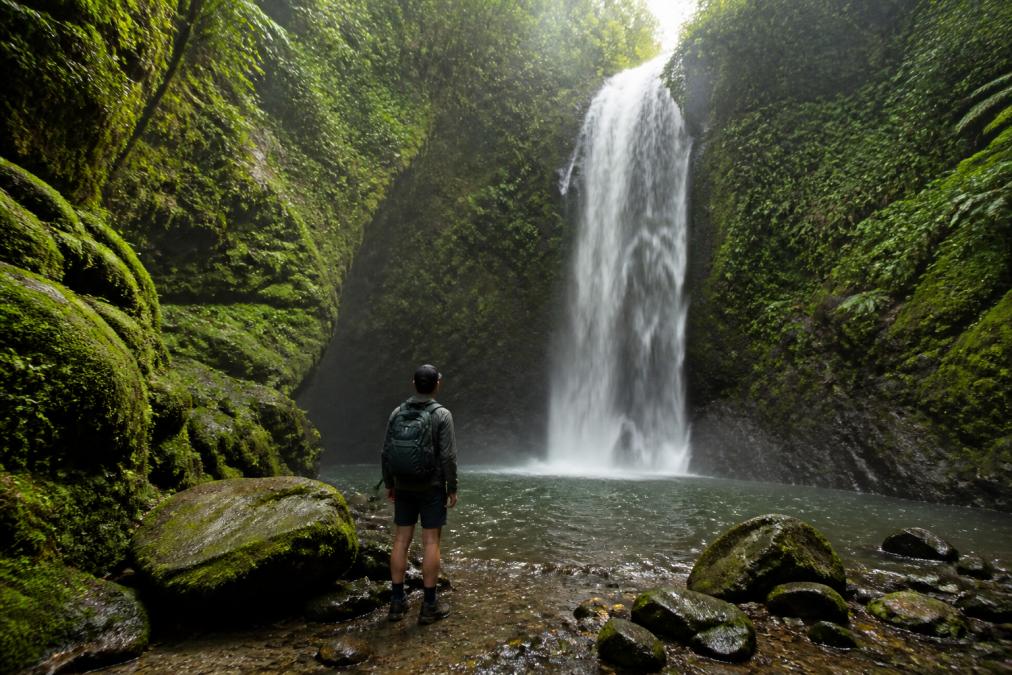
Costa Rica's cloud forests, particularly in the Monteverde and Arenal regions, remain among the best in the world. La Fortuna's hidden waterfalls, accessible via hiking trails requiring genuine effort, still deliver the sense of discovery that travelers seek. The Tenorio Volcano area and the Río Celeste waterfall, with its extraordinary blue water caused by natural chemical reaction, reward travelers who look beyond the standard itinerary.
Best Time to Visit: Seasonal Crowd-Avoidance Strategies
Peak season in Costa Rica and most regional alternatives runs from mid-December through April, coinciding with the dry season. This is the period of maximum crowd density, highest accommodation prices, and greatest competition for vacation rentals.
The most effective crowd-avoidance strategy is counterintuitive: the green season (May through November) delivers lower prices, fewer tourists, and lush vegetation at its most dramatic. Rain typically means afternoon showers, not all-day downpours. Mornings are often clear and ideal for hiking and wildlife viewing.
| Period | Crowd Level | Price Level | Best Destinations |
|---|---|---|---|
| Dec-Apr (dry) | High | High | Pacific coast, Guanacaste |
| May-Jul (green) | Low-medium | Moderate | Caribbean coast, cloud forests |
| Aug-Oct (green) | Low | Low | Southern Pacific, La Fortuna |
| Nov (transition) | Low | Low-moderate | All regions |
For alternatives like Belize and Panama, similar seasonal patterns apply. Nicaragua and Guatemala follow the Central American pattern of December-April as the high-traffic period.
Costa Rica Vacation Rental Alternatives: Accommodation Types Compared
Accommodation strategy shapes the entire travel experience. Luxury mansions and private villas in Guanacaste represent one of the strongest value propositions in the Caribbean and Central American region for high-end travelers. Private amenities, concierge services, and exclusive escapism deliver an experience that coastal resorts with shared facilities cannot match. The trade-off is price: this category commands premium nightly rates, particularly during peak season.
Budget-friendly stays in Guatemala, Nicaragua, and Honduras cost a fraction of equivalent Costa Rican accommodation. Travelers with flexibility on destination can access similar tropical climate and adventure travel experiences at dramatically lower travel expenses.
For property owners, a well-managed luxury villa in Tamarindo or Potrero, handled by a team with genuine data-driven revenue optimization capability, consistently outperforms self-managed or poorly managed properties. Marquis Stays Property Management works specifically in this segment, combining five-star hospitality standards with occupancy optimization for remote owners across Guanacaste, Potrero, and La Fortuna.
Digital Nomad Infrastructure: Which Destinations Deliver
Digital nomad infrastructure matters as much as beach quality for remote workers and property owners evaluating long-term rental demand. Costa Rica leads the region by a significant margin. San José and Tamarindo both have reliable high-speed internet, co-working spaces, and the Digital Nomad Visa, introduced in 2021. According to Costa Rica's official Digital Nomad Visa information, the program requires proof of income and health insurance but offers a straightforward path for remote workers.
Panama City is the strongest alternative for digital nomads, with first-world telecommunications infrastructure and a well-developed expat community. Belize and Guatemala have improving but inconsistent connectivity outside major towns. Nicaragua and Honduras lag further behind, particularly in rural and coastal areas.
Multi-Modal Itinerary Planning: How to Build Your Trip Across Destinations
The most experienced Central American travelers do not treat these destinations as either/or choices. A multi-modal itinerary combining Costa Rica with Panama or Belize captures the best of each destination while spreading travel expenses more efficiently.
A practical framework for multi-destination planning:
- Define your primary motivation first. Wildlife protection points toward Ecuador or the Osa Peninsula. Surf culture points toward Guanacaste or Panama's Pacific coast. Ancient history points toward Guatemala or Honduras.
- Anchor on one hub, extend to one satellite. Fly into San José or Panama City, spend the majority of your time in your primary destination, and add a 3-4 day extension to a neighboring country.
- Match accommodation type to purpose. Luxury vacation rentals suit longer stays in one location. Boutique hotels and eco-lodges suit the satellite extension.
- Plan around peak season timing. Arriving in Guanacaste in late November, before peak season prices kick in, and departing before Christmas captures dry season weather without December-January crowds.
Travel logistics between Central American countries are straightforward. Land border crossings between Costa Rica and Panama or Nicaragua are well-established routes. Domestic flights within Costa Rica connect major regions efficiently.
Which Alternative Is Right for You?
The right Special Places of Costa Rica alternative depends entirely on what the original destination was providing for you. If the answer is biodiversity and wildlife, Ecuador and Panama are the strongest matches. If it is budget-friendly adventure travel with volcanic landscapes, Nicaragua and Guatemala deliver more per dollar. If it is white-sand beaches and affordable diving, Honduras's Bay Islands are genuinely underrated.
For travelers whose primary draw is the combination of luxury vacation rentals, coastal resort amenities, and reliable concierge services, Costa Rica, specifically Guanacaste, still leads the region. The infrastructure, private amenities available in high-end properties, and destination management ecosystem are more mature here than anywhere else in Central America.
No single alternative replicates the full Costa Rica experience. What each alternative offers is a different version of tropical travel, with its own trade-offs on cost, crowd levels, infrastructure, and natural assets. Travelers who get the most from this region define their priorities clearly before choosing a destination.
For property owners in Costa Rica's luxury market, understanding how alternatives compete for the same traveler pool is essential context for positioning and pricing. The growth of Panama and Belize as recognized destinations creates both competitive pressure and opportunity: travelers who discover the region through an alternative often return to Costa Rica for the infrastructure and hospitality standards it reliably delivers.
Owning a luxury vacation property in Costa Rica's competitive coastal market requires more than a great location. Marquis Stays Property Management handles every operational detail, from guest communication and housekeeping to maintenance and data-driven pricing, so remote owners see consistent occupancy and revenue without the management overhead. Clients have reported direct booking revenue up more than 40% year over year and revenue more than doubling after transitioning to professional management. If your property is underperforming or you are ready to move from reactive management to a results-oriented approach, list your property with Marquis Stays Property Management and start seeing the returns your investment should be generating.
Frequently Asked Questions
What country is most similar to Costa Rica for eco-tourism?
Panama is the closest match. It shares a similar tropical climate, biodiversity, and surf culture, with both Pacific and Caribbean coastlines. Coiba National Park rivals Costa Rica's remote national parks for marine life and wildlife protection. The key difference is crowd density: Panama draws fewer international tourists, which means more authentic experiences in wilderness areas. Belize is another strong option if reef diving and Mayan ruins appeal to you alongside rainforest hiking trails.
Where should I go instead of Costa Rica if I'm on a tight budget?
Nicaragua and Honduras offer the most budget-friendly travel in Central America. Nicaragua is frequently described as resembling Costa Rica a generation ago, with volcanic regions, seaside towns, and adventure travel at noticeably lower travel expenses. Honduras, particularly the Bay Islands, is known for affordable diving and white-sand beaches. Guatemala also undercuts Costa Rica on cost while delivering cloud forests, lake scenery, and rich local culture. All three destinations suit travelers who want eco-tourism without peak-season Costa Rica pricing.
What are the best off-the-beaten-path towns in Costa Rica beyond Guanacaste?
The Southern Pacific zone, including the Osa Peninsula and Dominical, stays far less crowded than Guanacaste's coastal resorts during peak season. The Osa Peninsula sits inside Corcovado National Park, one of the most biodiverse wilderness areas on earth. La Fortuna offers volcanic regions, hidden waterfalls, and hiking trails without the beach-town crowds. Traveling in the off-season between May and November cuts visitor numbers significantly across all these areas, making sustainable tourism experiences far more accessible.
How do I find quality vacation rentals in Costa Rica outside the major booking platforms?
Specialty property management companies that focus exclusively on Costa Rica's luxury market tend to offer vacation rentals with private amenities, concierge services, and local expertise that large global platforms cannot replicate. These companies manage high-end coastal homes in areas like Potrero, Tamarindo, and La Fortuna, often with direct-booking options that bypass platform fees. For remote owners, full-service management firms handle guest communication, housekeeping, and maintenance, which typically translates into better-maintained properties and a more consistent guest experience.
Is Belize or Costa Rica better for a nature-focused vacation?
Both destinations excel, but they suit different priorities. Costa Rica leads on rainforest biodiversity, cloud forests, and adventure travel infrastructure. Belize wins on marine life: its barrier reef is the second largest in the world, making it the stronger choice for diving and snorkeling. Belize also combines nature conservation with Mayan archaeological sites, adding a cultural layer Costa Rica lacks. Budget-conscious travelers should note that some areas of Belize, particularly the Cayes, carry higher travel expenses than comparable Costa Rican beach destinations.
This article was written using GrandRanker